
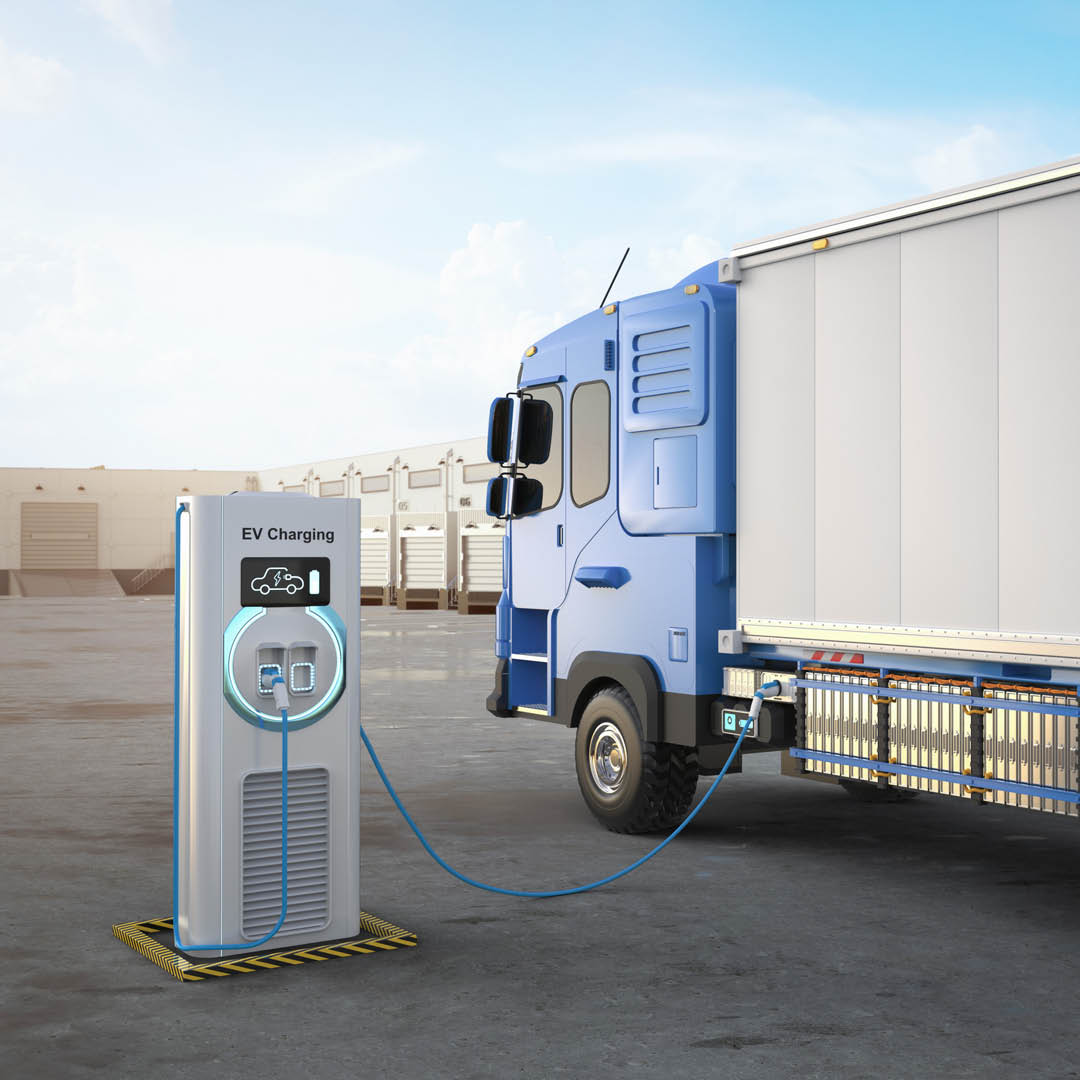
Published in collaboration with MCD’s editorial team and AI. Many see the electrification of vehicle fleets as a threat to the lubricants industry. Fewer combustion engines should reasonably mean less engine oil. That’s true – but it’s only half the picture. What is shrinking is one specific product category, not the need for fluid and inventory management as a whole. The question is therefore not whether sites will handle fluids and lubricants in an electrified future, but which ones.
What is actually declining?
Engine oil is the clearest loser. A battery-powered vehicle has no combustion engine and therefore no need for traditional engine oil. This is the single largest volume decline when vehicle fleets are electrified. Electrification is already affecting global lubricant demand: the market shrank by almost 2 percent in 2023. Analysts expect demand in Europe and North America to fall by around 1 percent a year until 2030, while the share of electric and hybrid vehicles grows steadily over the same period. Several industry analysts point to 2027 as a possible tipping point when EV adoption accelerates further. However, these figures are almost entirely driven by the passenger car market. None of the sources available today give concrete volume figures for heavy vehicles and trucks. That is an important gap for MCD’s customers, who work primarily with heavy industry and haulage rather than private motoring.
What is growing instead?
An electrified vehicle still needs several types of fluids and greases – just not engine oil: 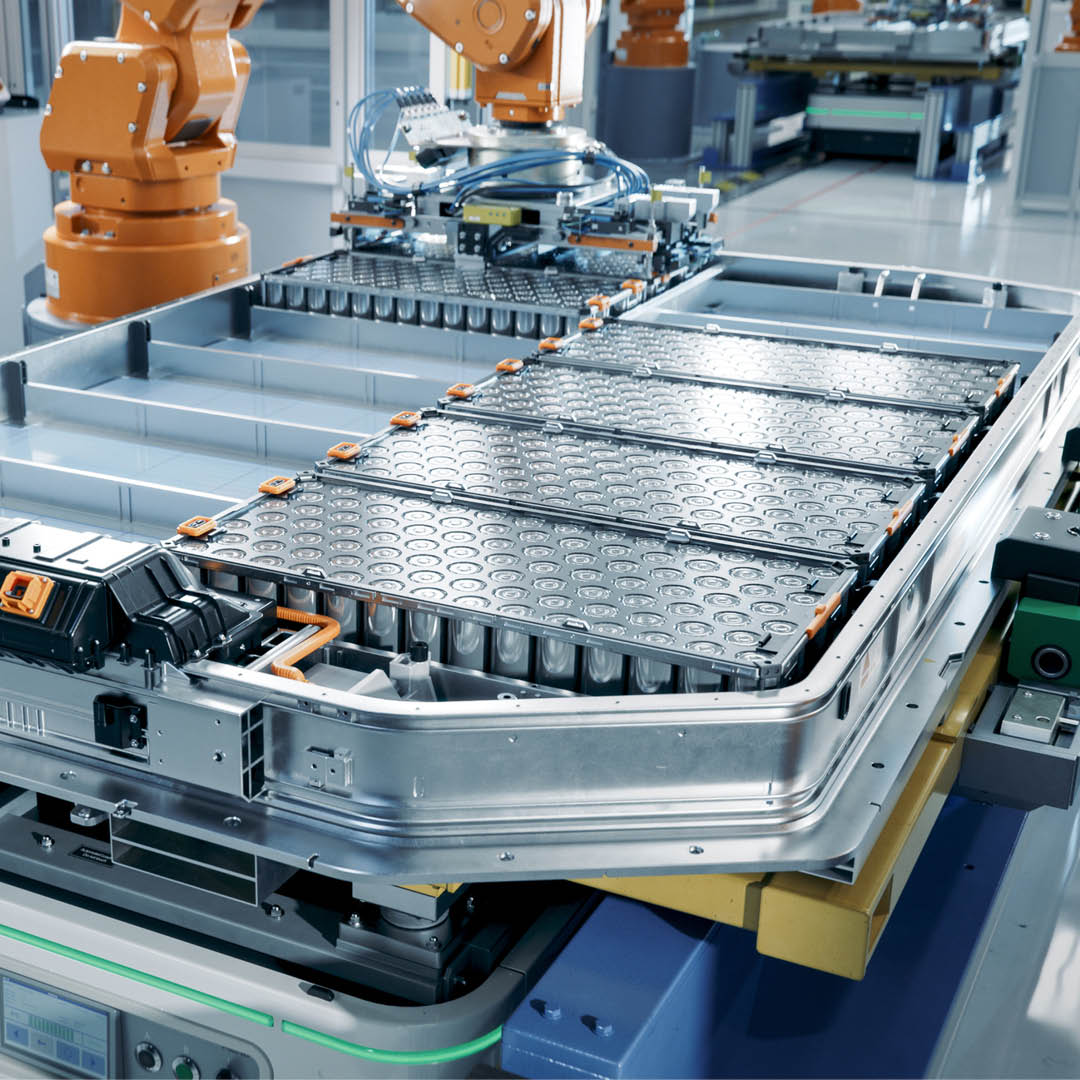
-
- Thermal management fluids for batteries. Batteries must be kept within the right temperature range to work safely and efficiently. The requirements for coolants for this purpose will only increase as battery technology develops and batteries become more powerful.
- Fluids for e-axles and electric motors. Transmission fluids and lubricants designed for electric motors and e-axles are an entirely new product category, directly linked to the shift in powertrain.
- Greases for bearings, brakes, steering and suspension. These needs remain regardless of powertrain. An electric vehicle still has wheel bearings, brakes and moving parts that need lubrication. The requirements are partly changing, with EV-specific formulations starting to appear to cope with different thermal and electrical conditions than in a combustion-engine vehicle.
What does this mean for sites and inventories?
However fast heavy transport electrifies, developments point to the same practical conclusion. The product mix at a site is changing, but the need to keep track of what is where is not going away. A site that today holds large volumes of engine oil may look different in a few years – with a mix of battery coolants, specialty fluids for e-axles and traditional greases for mechanical components. Keeping control of that mix is at least as important as keeping control of a single product category. This is where digital inventory monitoring makes a difference. A system like SiteInfo doesn’t care which product is in the tank or container. It provides the same kind of continuous insight into levels, refills and volumes – whether the contents are engine oil, coolant or something entirely new that isn’t on the market yet. So it’s not about guessing the right product mix for the future. It’s about building inventory management that works whichever direction things take.
Frequently asked questions about electrification and lubricant demand
Will engine oil disappear completely? Not immediately, and not everywhere. As long as combustion-engine vehicles are in operation, there will be a remaining need. New demand will decline as electric vehicles make up a larger share of the fleet. Do electric vehicles need no fluid or lubricant maintenance at all? No, that’s a common misconception. Electric vehicles still need coolant for battery management and fluids for e-axles/electric motors. They also need greases for bearings, brakes, steering and suspension. Does the same trend apply to heavy trucks as to passenger cars? Probably yes in principle, but at what pace is unclear. Available market data mainly concerns passenger cars. There are currently no clear volume figures for how fast the corresponding shift is happening in heavy transport and haulage. What should sites managing lubricant and fuel inventories do now? Build inventory management and documentation that work regardless of product mix. Don’t just focus on optimising for today’s products.
Sources
- Tilley Distribution – The Impact of Electric Vehicles on Lubricant Demand: https://www.tilleydistribution.com/insights/electric-vehicles-impact-on-lubricant-demand/
- Lubes’N’Greases Factbook – Electric Vehicle Lubricant Trends: https://www.lubesngreases.com/factbook/fb-article/electric-vehicle-lubricant-trends/