
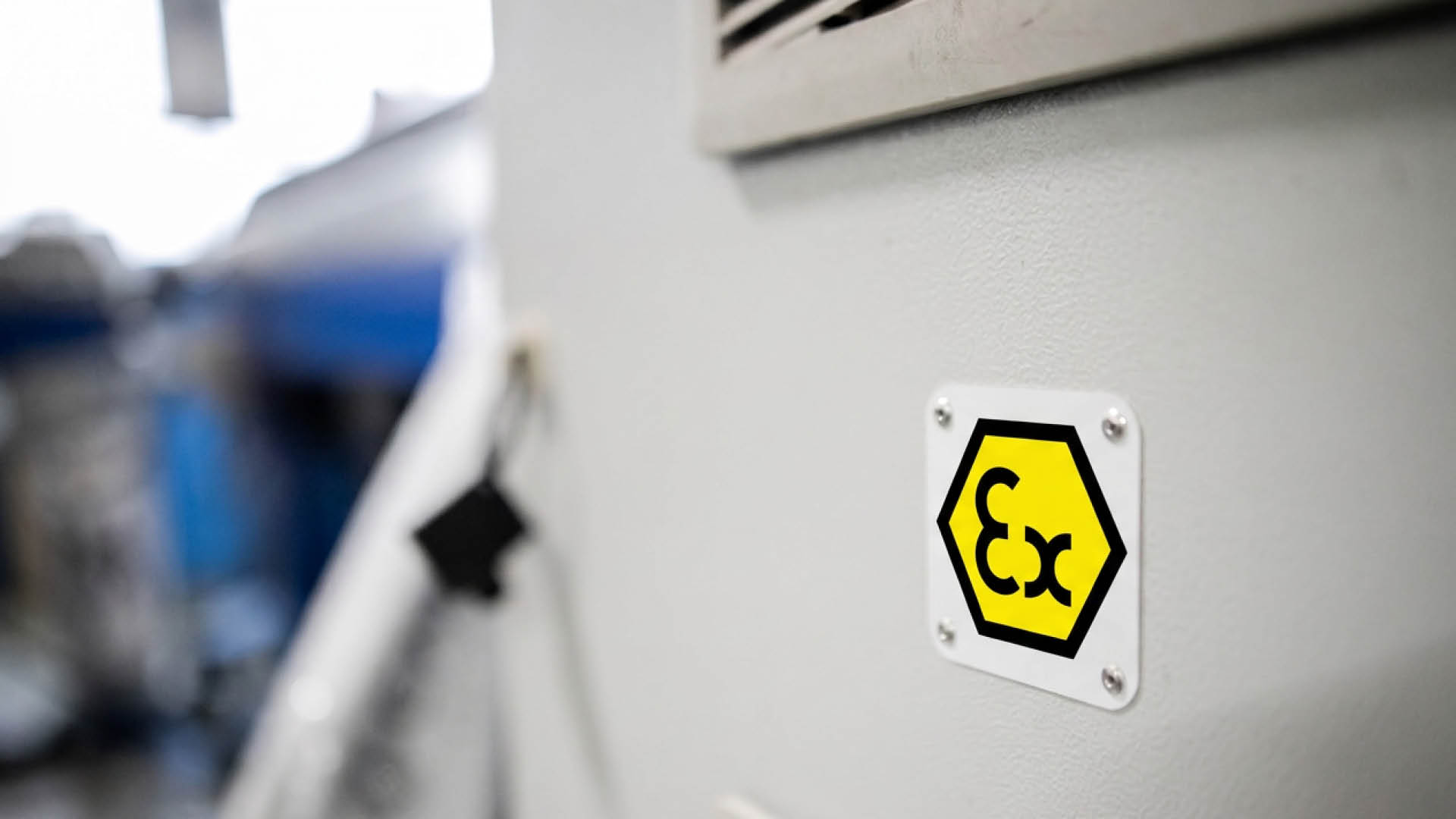
Tanks with flammable contents require special equipment. Despite this, many smaller sites forgo digital level monitoring altogether – even though these are exactly the tanks that can be most costly in the event of an unexpected stoppage or an overfill. In this article, we go through what the rules require and what a simple solution can look like.
The ATEX rules have recently been updated
On 30 May 2026, the EU began applying an updated version of the ATEX Directive, after the member states transposed amending Directive (EU) 2024/2749 into their national legislation [1]. This makes it a good time for businesses handling flammable liquids, gases or dust to check whether their existing equipment really meets the requirements. Many also discover that they are in fact covered by the rules without having been aware of it [4].
Bear in mind that the regulations may have changed further since this article was published. Always check the latest version with EUR-Lex or the relevant national authority before making decisions based on the information below.
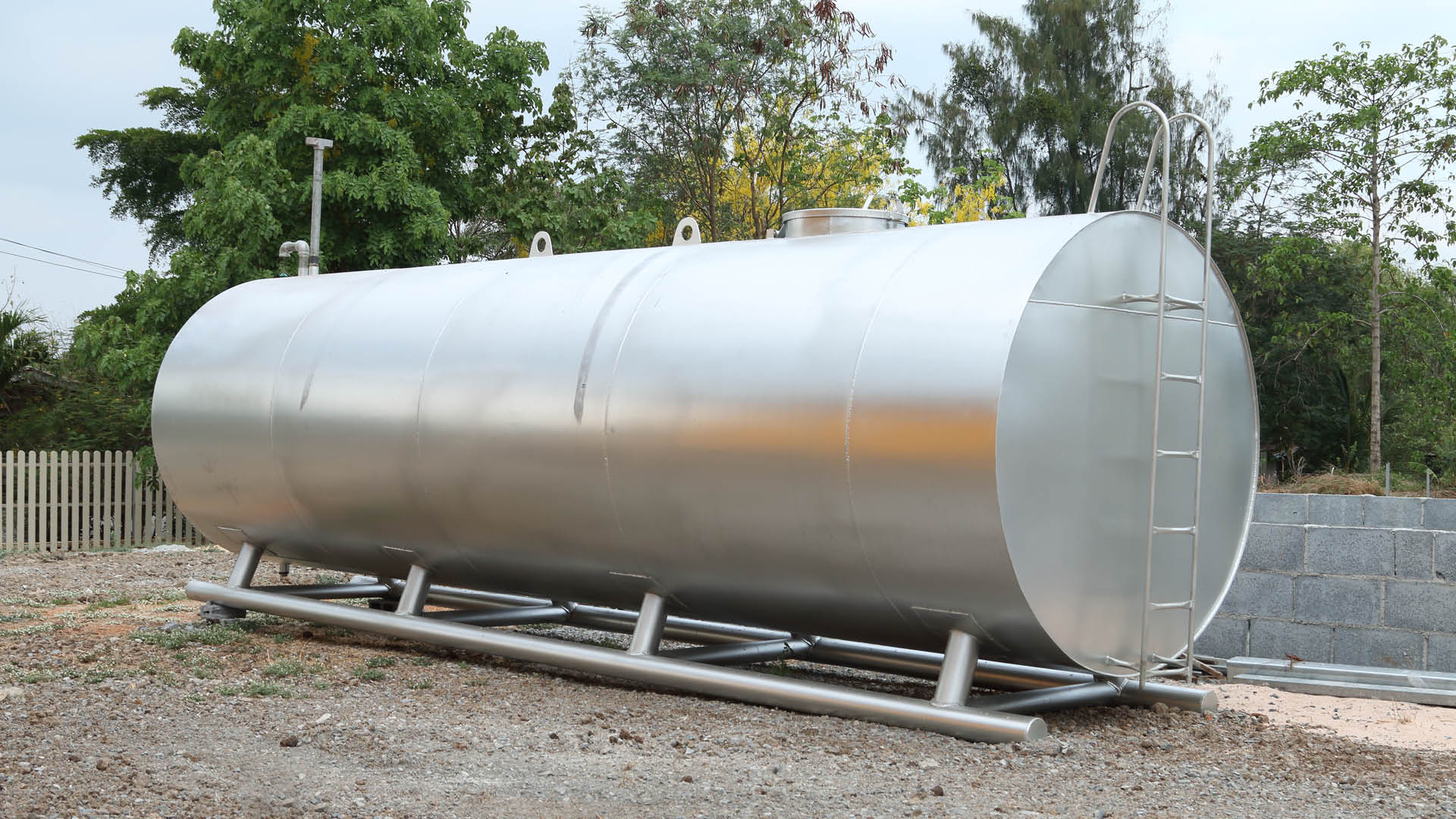
What exactly is an explosion-hazard zone?
ATEX (from the French ATmosphères EXplosibles) is the EU’s collective name for the rules covering environments where flammable gas, vapour, mist or dust can mix with air to form an explosive atmosphere [2]. The rules divide such areas into zones depending on how often the explosive atmosphere occurs:
- Zone 0 – explosive atmosphere is present continuously or for long periods
- Zone 1 – explosive atmosphere is likely to occur in normal operation
- Zone 2 – explosive atmosphere occurs rarely and only briefly
In Sweden, the Swedish Work Environment Authority’s regulations (AFS 2023:7) and the Swedish National Electrical Safety Board’s rules supplement the EU Directive [3]. Among other things, they require employers to classify their zones and all equipment in the zones to be certified for the right category. Always check the applicable regulations with your national authority, as regulation numbers and content can change over time.
Why standard monitoring equipment isn’t enough
All electrical equipment in an Ex-rated zone must be designed so that it cannot ignite the explosive atmosphere – for example through sparks, hot surfaces or static electricity [5]. An ordinary GSM modem or a standard sensor is therefore not good enough in a zoned environment, however well it otherwise works. The wrong equipment in the wrong zone is not just a breach of the rules – it is a direct safety risk for both staff and facility [4].
This is precisely why many smaller sites with a single, standalone tank – for petrol, waste oil or other flammable products, for example – have no digital monitoring at all. A full-scale Ex-rated installation can feel like a big investment for a single tank.
 .
SiteEasy Ex – an easy way in
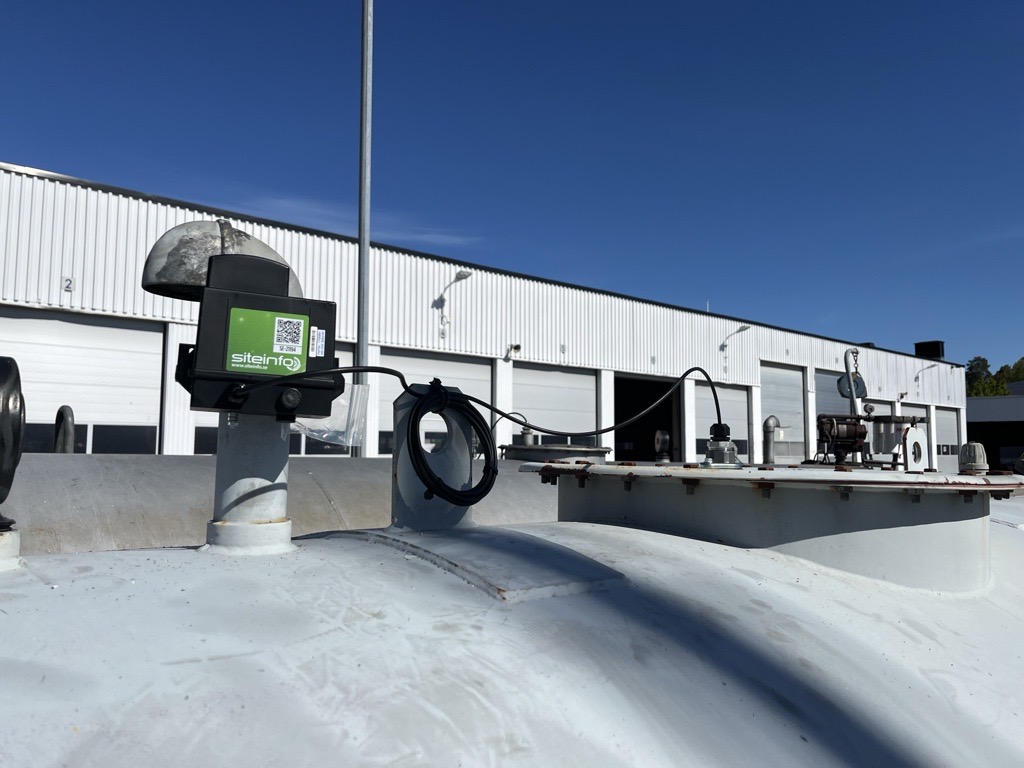
SiteEasy Ex is a battery-powered, ATEX-approved GSM module with an integrated antenna, developed specifically for the standalone tank. The solution includes cable and pressure sensor, and connects easily to our cloud platform SiteInfo.
Benefits:
- ATEX-approved – can be installed directly in a classified zone
- Battery-powered, up to 5 years’ battery life
- Measures and reports automatically, with daily updates
- Gives access to level data in SiteInfo and the SiteInfoApp, wherever you are
Who is it for?
SiteEasy Ex suits sites that need to monitor one or a few standalone, Ex-rated tanks without committing to a larger system installation. If you instead have more tanks, high demands on continuous operation, or want to integrate with existing measuring equipment, our product range also offers other solutions that may suit you better – for example SiteMonitor for sites with high demands on continuous operation. Feel free to contact us and we’ll help you find the right level.
Want to know whether SiteEasy Ex is right for your site?
Get in touch and we’ll work out together whether SiteEasy Ex is the right solution for your tank. Contact us here and we’ll get back to you shortly.
This article was written with the help of AI and reviewed by MCD’s editorial team. Laws and directives are updated continuously – always check the current rules with the relevant authority before making decisions, especially if you are reading the article some time after publication.
Sources
- EUR-Lex – Equipment used in potentially explosive atmospheres (ATEX Directive)
- ATEX directives – Wikipedia
- Elsäkerhetsverket (Swedish National Electrical Safety Board) – ATEX and products
- Star Fyrkant Västerbotten – What is ATEX classification? A guide for industry (in Swedish)
- Acumo – What is ATEX & Ex classification? (in Swedish)
- Arbetsmiljöverket (Swedish Work Environment Authority) – Requirements for equipment for explosive atmospheres (ATEX)
The sources above were correct and available at the time of publication. Regulations and directives are updated continuously – always check the current wording with the primary source before making decisions.