
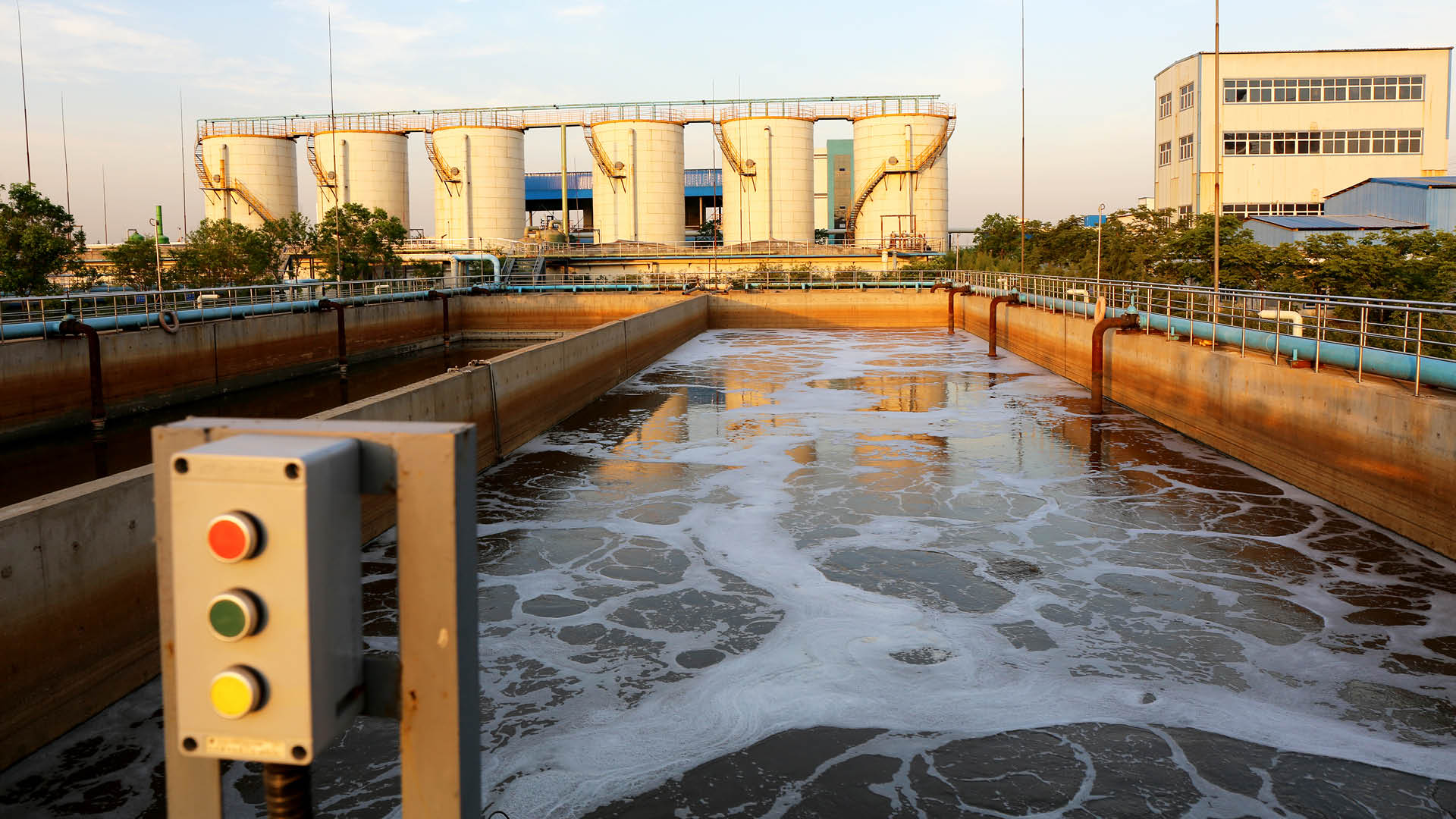
Level monitoring of chemicals is becoming increasingly important for wastewater treatment plants, which depend on a continuous chemical supply.
Treatment plants are starting to demand documented chemical levels. The supplier that can meet that requirement has a clear advantage.
How the purchasing process works
For a chemicals supplier to the water and wastewater sector, the business logic looks like this: public procurement with short contracts of 1–2 years, sometimes with several suppliers for the same chemical, and a buyer who values security of supply and price above all. What complicates the picture is that responsibility for gauging equipment sometimes falls on the supplier – either because the utility requires it, or because it is a difficult customer who doesn’t know when it’s time to order. It’s a cost suppliers would rather not take on – but it’s also an opportunity. There is another way in, too: the treatment plant can itself take on the role of customer and choose which gauging system to use – and ultimately require the supplier to connect to it. That way, the plant keeps control and can demand documentation regardless of who supplies the chemical. Take a medium-sized municipal treatment plant: for chemicals suppliers serving sites of this size, it is often about long-term relationships in which security of supply is highly valued. 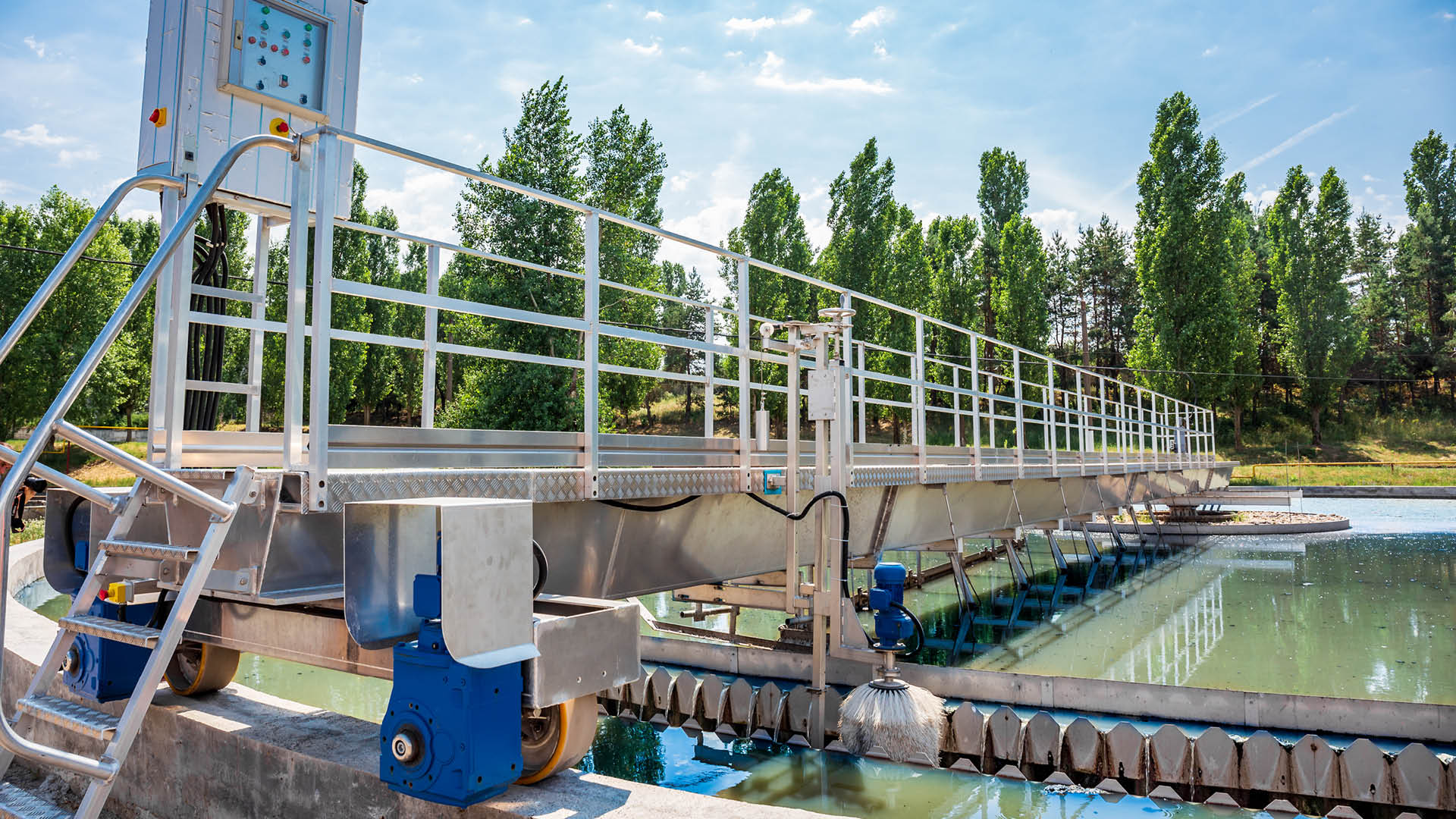
Three ways level monitoring of chemicals strengthens your position
1. You avoid emergency deliveries and dissatisfactionWhen a customer calls to say the tank is empty, the situation itself is proof that something went wrong. With level monitoring on the customer’s tank, you get automatic alerts when the level approaches the limit – and can plan the delivery in time. |
2. You get the basis for automatic call-offs and refillsReal-time data from the customer’s tanks makes it possible to automate call-offs and optimise delivery routes. Instead of the customer calling when the tank is empty, you can deliver when it makes logistical sense. |
3. You meet the customer’s new documentation requirementsSince 2024, the NIS2 Directive and the Swedish Food Agency’s preparedness requirements oblige water utilities to report exact chemical levels with logging. The supplier that offers this as part of the agreement is easier to choose – and harder to replace. |
How MCD can help
MCD and TopFuel together deliver level measurement for chemical tanks in water and wastewater environments – robust equipment, easy installation and real-time data available at any time. We work with chemicals suppliers to make level monitoring of chemicals easy to pass on to your customers. MCD’s sister company TopFuel has long experience in level monitoring, chemicals handling and flow measurement at loading terminals – expertise we bring with us into the water sector. For sites without access to a conventional power supply, there is SiteEasy Industrial – a robust telemetry module that provides continuous monitoring of up to three tanks, even in demanding environments. Real-time data on chemical levels – available from computer, phone or tablet. Automatic alerts are sent when the level falls below the set limit. 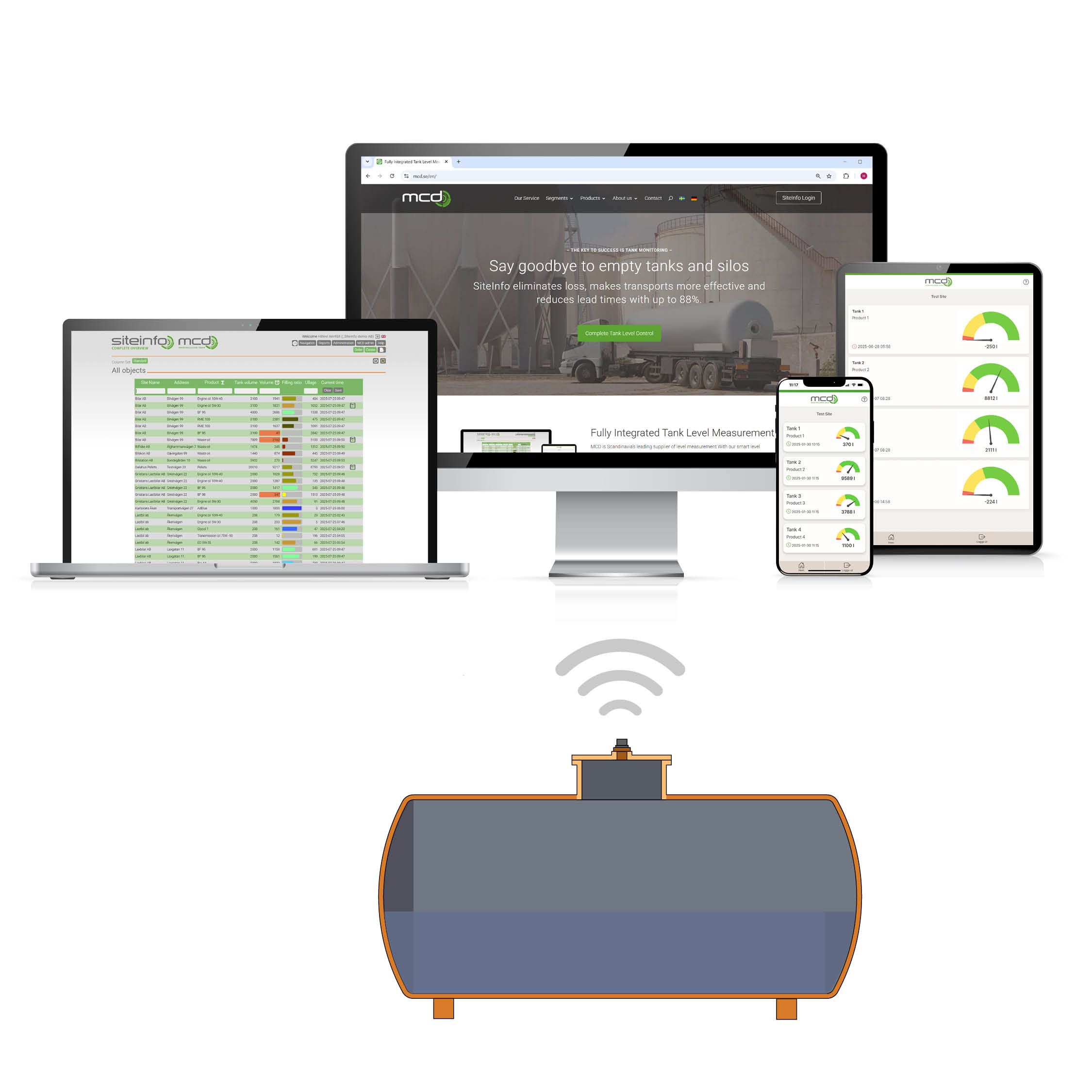
Want to know what a partnership could look like?Get in touch with us at MCD. Jens Johansson, who is responsible for our chemicals handling and TopFuel, will be happy to tell you more about how we can work together. info@mcd.se | mcd.se |
This article was produced with the help of AI and fact-checked by Jens Johansson.
Sources and notes
Purchasing process in the water sector: industry estimate, MCD / Jens Johansson. NIS2 and preparedness requirements: EU Directive 2022/2555 and the Swedish Food Agency’s regulations. Photo: iStock/SKY2014, iStock/DedMityay, iStock/gjp311.